
Kusumba Mosque of Naogaon
Learn About Kusumba Mosque: A Historical Masterpiece in Naogaon
About the Mosque
Kusumba Mosque (Bangla: কুসুম্বা মসজিদ), also known as Kushumba Shahi Masjid, is a historical monument located in Kusumba village of Manda Upazila in the Naogaon district, Bangladesh. Its geo-location is 24°45’10.0″N, 88°40’53.3″E. The mosque is 33 km north of Naogaon town and 3.4 km north of Manda Upazila town.
This national heritage site falls under Kusumba Union Parishad. The Atrai River flows to its northeast. It is the second-most important archaeological heritage site in Naogaon after Somapura Mahavihara of Badalgachhi. The mosque is often called “The Black Gem of Bengal.” Its image also appears on the Bangladeshi 5 taka note.

Construction History
The mosque was built by Sulaiman during the reign of Afghan ruler Ghiyas-ud-din Bahadur Shah of the Shur Empire. A stone plaque indicates its construction in 966 Hijri (1558–1559 AD). Historical notes also mention that stones for the mosque were taken from a nearby ruined Hindu temple.

Construction Style
Kusumba Mosque is a unique example of Muslim architecture reflecting North Indian influences. Surrounded by a courtyard, the mosque appears black due to the stone used.
- Length: 58 feet
- Width: 42 feet
- Wall thickness: 6 feet
- Total domes: 6 (3 repaired after the 1897 earthquake)
Although built of brick, both the inner and outer faces up to the pendentives are covered with gray stone, making the structure appear entirely stone-built.
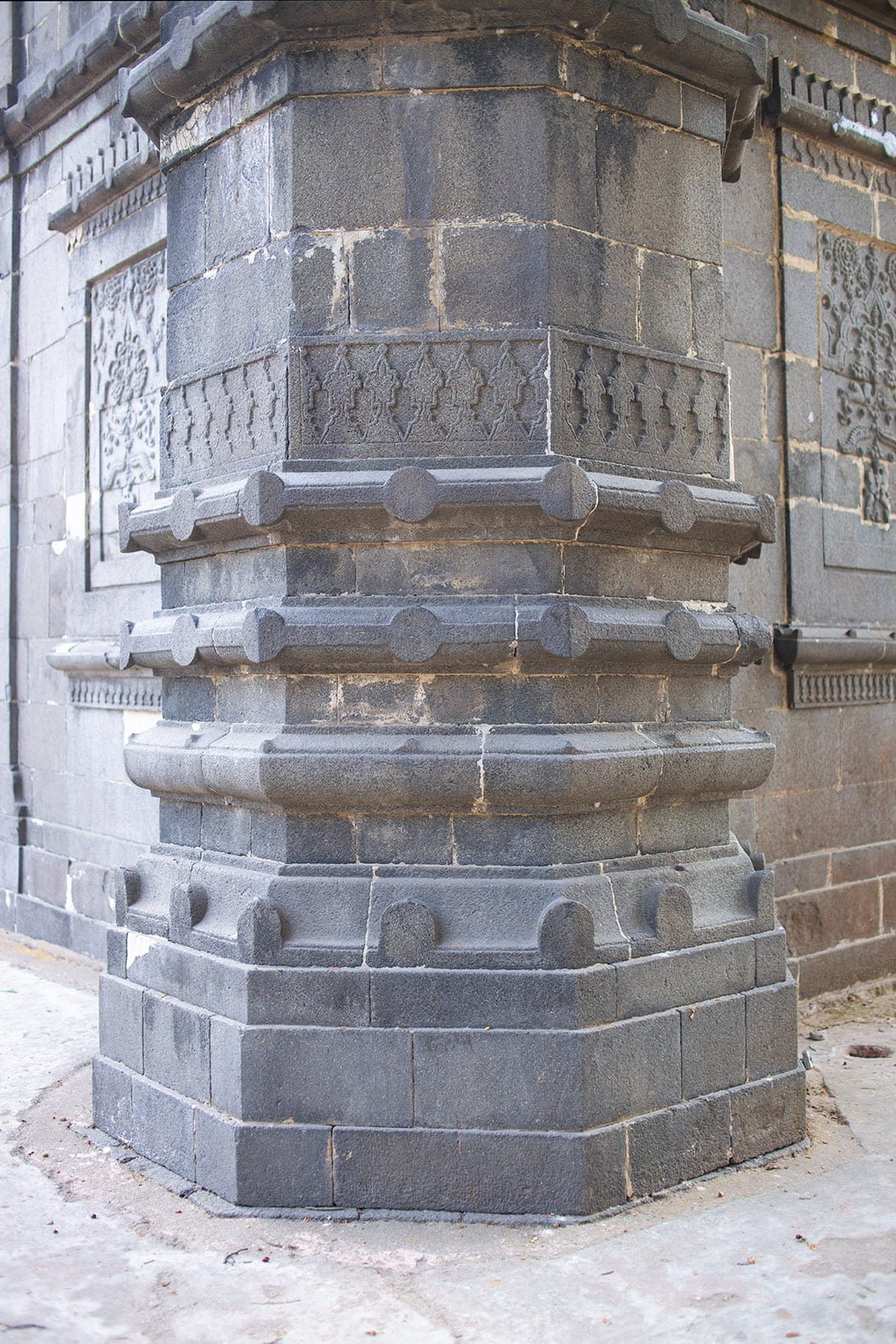
Artworks at Kusumba Mosque
The mosque features exquisite stone carvings, including:
- Rose and leaf motifs
- Stone grills on windows
- Ornate entrances
- Three mihrabs with grape and vine motifs
The largest mihrab was used for judicial purposes and is accessed through an 11-step stone staircase.

Folklore about Kusumba Mosque
The locals believe that angels built the mosque and the adjacent large pond in a single night. A stone pillar south of the mosque is linked to this legend. A local said ancient workers were “14 feet tall.”

Kusumba Dighi
The mosque stands on the western bank of a large pond called Kusumba Dighi. The pond measures:
- Length: 385 meters
- Width: 280 meters
- Area: 25.83 acres
The Dighi was used for ablution. Later, a separate staircase for women was constructed.
Women’s Prayer Place
A small area near the northern door is reserved for women. It fits 2–3 worshippers and is enclosed with curtains for privacy.

Beehive in the Mosque
Above each of the mosque’s three doors, there is a beehive. Visitors often find dead bees crushed at the entrance. Locals say the bees do not sting unless provoked.
Maintenance and Present Situation
Fridays see the highest number of worshippers and tourists.
- Inside capacity: 80 worshippers
- Front yard capacity: 700 worshippers
A Madrasa has been built south of the mosque, reducing the open space. The site is maintained by the Directorate of Archaeology, Bangladesh. There is no entry fee.
How to Go to Kusumba Mosque?
First, travel to Naogaon district.
- From Naogaon town → travel 33 km southwest via Naogaon–Rajshahi Highway
- Take a bus from Baludanga Bus Terminal to Kusumba Bazar
- Walk 5–7 minutes along Mosque Road
Visiting Hours, Accommodation & Food
The mosque is open every day. Fridays are crowded with tourists and worshippers.
- No hotels near the mosque; accommodation available in Manda or Naogaon town
- Local food available in Kusumba Bazar
- Better dining options in Naogaon or Rajshahi city
Google Map
Location: Kusumba Masjid
FAQs About Kusumba Mosque
What is the significance of Kusumba Mosque?
Kusumba Mosque is one of Bangladesh’s most important medieval stone mosques and appears on the 5 taka banknote.
Who built the mosque?
It was built by Sulaiman under Ghiyas-ud-din Bahadur Shah in 1558–1559 AD.
What is unique about its architecture?
The mosque appears black, has 6 domes, and features thick walls covered with gray stone.
Is there any folklore?
Locals believe angels built the mosque and pond in a single night.
Is there a women’s prayer area?
Yes, a small reserved area can accommodate 2–3 women.
Photography: Rumon Anam

_Bangladesh.svg.png)


%2Bcopy.jpg)

It's difficult to find educated people on this topic,
however, you sound like you know what you're talking about!
Thanks